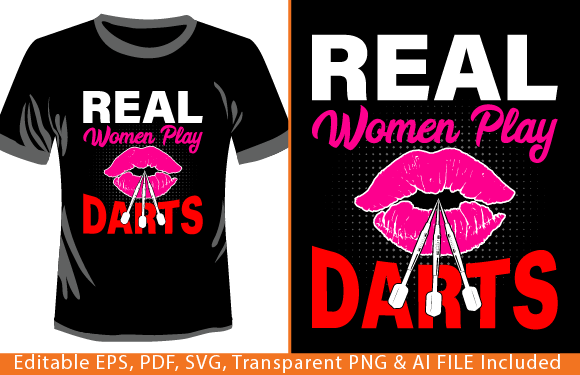
That s What I Do I Play Darts and I Know: Embroidery Design Review
Catching the Dart Player’s Spirit in Thread
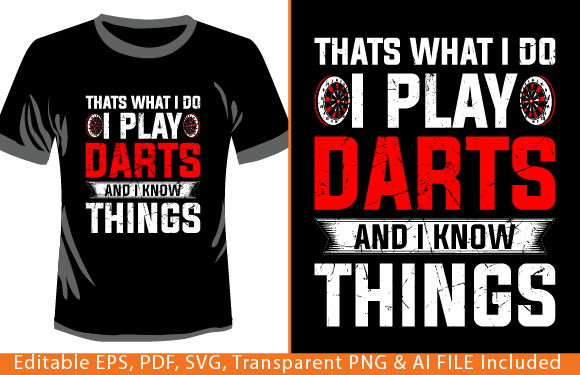
When I first looked at That s What I Do I Play Darts and I Know, I felt an immediate connection to a very specific kind of customer. It isn't a generic sports slogan. It carries an inside joke and a proud shrug all at once. For anyone who has spent time in a dart league, a pub corner, or a basement game room, this phrase triggers recognition. As an embroidery designer, that emotional note matters. A design that makes someone feel seen is a design that sells, and it stays in their wardrobe for years.
The Personality Behind the Phrase
The wording feels conversational and a little cheeky. There is a rhythm to it that will register quickly, even when converted to thread. The strong, casual tone suggests this will work best on items that live in relaxed settings: a weekend sweatshirt, a soft cap, a tote bag carried to a friend’s house. It won't whisper; it will announce. My first thought was how comfortably this Graphics asset—originally a T-Shirt Designs template for POD stores—could pivot into the handmade market as a custom embroidered gift.
Translating a T-Shirt Graphic into an Embroidery Project
Many digitizers and embroidery designers work from printable artwork. This particular design's value lies in its typography and its no-nonsense attitude. The crucial question is not whether the phrase is clever, but how well it translates when a needle punches it onto fabric with a satin stitch, fill stitch, and running stitch. I've learned to judge a design by imagining its stitch path, not just its pixels.
Lettering and Layout Considerations
The layout here is heavily text-driven. That means every single letter will be scrutinized by the embroiderer and the end user. If the original graphic uses tight kerning or intricate stylizations, some simplification might be needed before you trust it to a machine embroidery design file. When I evaluate something like this, I look for thin connections, sharp serifs, and overlapping shapes that could create bulky stitch density. Clean, well-spaced text holds up beautifully; ornate fonts often demand a larger hoop size and extra stabilizer to avoid pulling.
Balancing Humor and Wearability
There is an art to wearing a bold statement without looking like you're shouting. I appreciate that That s What I Do I Play Darts and I Know strikes a balance. It’s assertive, yet the “and I know things” part softens it with humor. In embroidery, that matters because the physical texture can make loud words feel even louder. A dense fill stitch across a broad text block can stiffen the fabric, which might surprise a customer who expects a soft, drapey sweatshirt. I’d likely test both a full fill and a lighter satin outline approach to preserve comfort while keeping the personality intact.
Where This Design Shines in Embroidery Form
Through years of working with small business owners and Etsy sellers, I've seen that certain phrases naturally attach themselves to specific products. This one feels born for a handful of project types that marry practicality and personal expression.
Custom Sweatshirts and Zip-up Hoodies
This is where I would place my first sample. A crewneck sweatshirt with That s What I Do I Play Darts and I Know stitched across the chest in a thread color that complements the fabric but pops just enough. The design’s width and horizontal flow are usually a safe bet for adult apparel. I'd recommend a tear-away stabilizer on medium-weight fleece and a test run to confirm that the lettering doesn't distort when the garment stretches during wear.
Embroidered Patches for Caps and Jackets
As an embroidered patch, this phrase gains a whole new life. You can stitch it on twill fabric, create a merrowed edge, and then sew it onto a dad cap, a jean jacket, or a dart case. A patch format also solves the problem of difficult hooping locations. I love how a well-made patch feels like a badge of honor, and dart players often collect that kind of memorabilia. For a small shop product, patches offer high perceived value with lower production risk.
Tote Bags and Pub Night Accessories
Cotton canvas tote bags are a canvas I always keep in mind. A tote bag design with this phrase instantly tells a story. Imagine someone pulling out a bottle of homebrew, a dart wallet, and a few snacks from a tote that proudly declares their hobby. The embroidery needs to hold up to friction and frequent washing, so a sturdy cut-away stabilizer and tightly adjusted stitch density become essential. I also like the idea of a smaller version on a zip pouch that holds flights and shafts.
Real Project Spotlight: A Custom Bar Tote
Let me walk you through a real scenario I would craft around this design. A customer messages my small shop asking for a personalized gift for her husband who plays in a local league. She wants something understated but clear, something he can bring to matches without feeling like he’s wearing a sandwich board. We settle on a natural canvas tote with That s What I Do I Play Darts and I Know stitched in deep burgundy thread on the front pocket. The text sits centered, with a subtle dart flight silhouette added beside it—just a tiny touch I would digitize separately. The finished product becomes his go-to kit bag, and his teammates ask where it came from. That’s the kind of handmade product that generates word-of-mouth for a craft business. The design’s charm lies not in complexity but in how recognizable the sentiment is.
Practical Design Cautions for Stitch-Out
Before you load this onto your USB and send it to the machine, a few test runs will save you from headaches. I cannot stress enough how small details can sabotage an otherwise perfect embroidery project.
Small Lettering and Hoop Size Challenges
If you try to cram the entire phrase into a compact hoop size, the lettering may close up or lose readable details. I’d keep a minimum height of 0.25 inches for lower-case letters and avoid anything below a 4x4 inch hoop unless you are deliberately creating a delicate mini patch for baby clothes or doll accessories. I rarely trust text-heavy designs on tiny newborn onesies for the same reason: the repeated washing and stretching can distort fine running stitch outlines.
Fabric Texture and Thread Color Choices
On textured fabrics like terrycloth or chunky knits, the text might blur visually even if the stitching is flawless. For that reason, I’d steer this design toward smooth surfaces: pima cotton, linen blends, softshell jackets, or flat canvas. Thread color contrast also deserves a quiet test. A bright white thread on a dark heather gray sweatshirt might look fantastic on screen but feel stark in person. I often stitch out a small section on a scrap of the actual fabric before committing to a full run. The difference between design asset and finished product often lives in that fabric-thread relationship.
Working with the Design as a Digital Asset
Since this began as a T-shirt design graphic meant for POD use, the embroidery community needs to approach it with a few respectful adjustments. You are not simply pressing print. You are building a tactile, three-dimensional interpretation.
Why Digitizing Adjustments Might Be Necessary
Graphics intended for screen printing or direct-to-garment sometimes rely on transparent overprints, gradients, or distressed edges. Those effects rarely translate directly into a clean embroidery file. When I first inspected That s What I Do I Play Darts and I Know, I mentally removed the print-based texture and focused on the core shape and message. A good digitizer will recreate the solid letter forms, assign appropriate underlay stitching, and choose between a satin stitch for boldness or a lighter fill stitch for a softer touch. The design's strength is its wording, so that must remain crisp even if you simplify the background or decorative elements.
Checking License Terms Before Selling Finished Items
I always remind fellow makers: a design intended for one medium does not automatically grant permission for another. The product description suggests you can use the template for your POD store, but when you move into commercial embroidery, craft fair items, or Etsy listings, you must verify whether you have the right to digitize and sell stitched products. Responsible creative entrepreneurs contact the original seller or review the license details carefully before offering personalized gifts or boutique merchandise based on a purchased graphic. It protects your business and respects the original creator’s work.
Making It Your Customer’s Favorite Item
What I genuinely enjoy about That s What I Do I Play Darts and I Know is its capacity to spark conversation. Handmade products that trigger a smile or a knowing nod are the ones that get worn every game night. Whether you place it on a kitchen towel for a dart-loving cook, a baby bib for a new dad who still misses league nights, or a warm hoodie for chilly tournament mornings, the emotional link is immediate. Use a color palette that feels personal: maybe forest green on cream, navy on light heathered gray, or even a metallic gold thread for a trophy-shop vibe.
When you approach an embroidery project with this design, don’t rush the prep work. Gather your stabilizer, hoop the fabric taut, run a test sample on a similar material, and inspect the stitch density before you add it to your shop inventory. Pay attention to how the thread interacts with light. Check how the washed sample holds its shape after a delicate cycle. Every small step builds the kind of buyer trust that turns a one-time customer into a repeat collector.
If you treat this design as more than a quick quote, if you listen to how it feels in thread rather than how it looks in a mockup, you’ll create something that organically fits into dart leagues, pubs, and living rooms everywhere. And that’s exactly where it belongs.