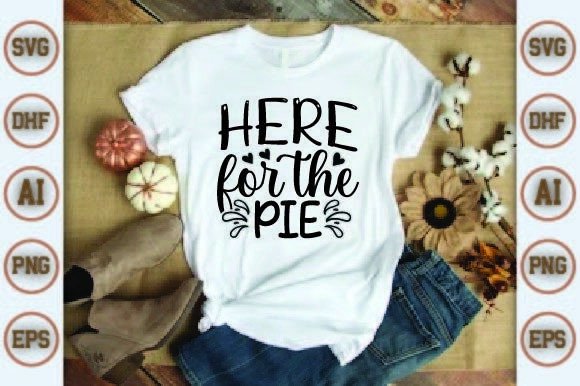
A Professional Review of the 'Here for the Pie' Embroidery Design
First Impressions: A Design That Wins You a Smile
When I first opened the 'Here for the Pie' embroidery file, my immediate thought was how wonderfully straightforward and cheerful it felt. The phrase itself is playful and universally understood—it taps into that cozy, celebratory mood we all love. The layout, from what I can assess, appears clean and designed for clarity. This isn’t a overly intricate graphic; it’s a statement piece with a strong visual personality. It feels friendly, approachable, and ready to stitch. As an embroidery designer, I see this instantly as a design that belongs on projects meant to convey warmth, humor, and a little bit of personality. It’s not trying to be delicate or formal; it’s here to be fun.
Where This Design Finds Its Perfect Home
In practical embroidery work, 'Here for the Pie' has a surprisingly wide range. I envisioned it on a custom embroidered apron for a baker’s birthday gift—it would be a hit. But its use extends far beyond that single idea. For a small business owner selling handmade goods, this could be a charming addition to a line of kitchen-themed products: tea towels, pillow covers for a cozy nook, or even a well-placed patch on a canvas tote bag. The theme is versatile. I’ve mentally placed it on the corner of a baby’s blanket for a fun nursery accent, or on the sleeve of a relaxed sweatshirt for a casual, boutique-style apparel item.
For crafters and Etsy sellers, this design fits into holiday gifts beautifully—think Thanksgiving or any family gathering—and works as a personalized product without needing a specific name. It’s a ready-made sentiment. When thinking about commercial embroidery projects or digital product sellers offering finished items, 'Here for the Pie' acts as a reliable, engaging design asset that doesn’t require much explanation. Customers will recognize the vibe immediately.
Projects That Elevate the Design
- Custom Apparel: T-shirts, sweatshirts, and caps where the text is prominently displayed.
- Home & Kitchen Goods: Aprons, oven mitts, pillow covers, and kitchen towels.
- Personalized Gifts: Embroidered tote bags, baby items, or blankets for a heartfelt touch.
- Small Shop Merchandise: Simple, recognizable designs sell well at craft fairs and in online listings.
- Embroidered Patches: A standalone patch with this phrase could be applied to countless surfaces.
Embroidery Performance: Thinking Like a Stitcher
Now, let’s move from the idea to the machine. How does 'Here for the Pie' translate into actual stitches? The key consideration here is clarity. With a design centered on text, stitch density and lettering detail become paramount. On a standard cotton or linen tote bag, using a proper stabilizer, I expect this to stitch out cleanly with good satin stitch or fill stitch definition. The visual appeal hinges on the thread color contrast against the fabric. On a light background, a classic red or brown for the “pie” concept would be striking. On dark fabric, you’d need to plan your thread palette carefully to ensure the text pops and maintains its friendly readability.
This design likely won’t suffer from tiny, overly dense areas, which is a plus for durability on items like apparel that need frequent washing. However, the smaller decorative accents, if present, need attention. Before running this on a client’s premium sweatshirt, I always test on scrap fabric first. This step confirms hoop size suitability, checks for any potential issues with small details, and lets me adjust tension or stabilizer if needed.
Situations That Require Extra Care
- Small Hoop Sizes: If the design is large, forcing it into a very small hoop might compromise detail.
- Textured or Stretchy Fabrics: Knits or loose weaves require excellent stabilizer to keep lettering sharp.
- Curved Surfaces: Embroidering on a cap requires considering the design’s layout for the curved panel.
- Layered Garments: On thick fabrics like hoodies, stitch density must be sufficient to penetrate cleanly.
The Business of Embroidery: Value, Trust, and Presentation
From the perspective of a creative entrepreneur, using a design like 'Here for the Pie' affects more than just the stitchout. It impacts product value and customer trust. A clean, well-executed embroidery of this phrase on a handmade product conveys professionalism. It shows you’ve chosen a design with broad appeal and executed it with care. That builds brand consistency for a small business—if your niche is cozy, humorous, or kitchen-themed, this fits seamlessly.
The “giftability” is high. An embroidered pillow cover or tea towel with this phrase feels like a complete, thoughtful gift, not just a generic item. For digital product sellers offering the file itself, its straightforward nature makes it easy for other makers to use, which boosts engagement. In printable mockups or digital product previews, a design with clear, bold text like this presents very well, allowing potential buyers to instantly visualize it on their own projects.
Practical Designer Notes Before You Stitch
- Always test the embroidery file on a piece of scrap fabric that mimics your final project fabric.
- Check thread color contrast thoroughly—view it in both light and dark fabric mockups mentally or digitally.
- Review the design’s layout to confirm it fits your intended hoop size and project dimensions.
- Inspect small details and corners to plan for any necessary stitch adjustments.
- Use the appropriate stabilizer for your fabric type to ensure stitching clarity.
- Crucially: Confirm the licensing terms of the design before using it for commercial projects or selling finished items. Understand whether it’s for personal use, commercial embroidery, or both.
A Design Ready for Real-World Making
In my final judgment as a reviewer, 'Here for the Pie' is a solid, mood-setting embroidery design that translates well into real project use. It doesn’t pretend to be everything; it knows its role. It’s a graphic that brings a smile and works across a spectrum of handmade products. Its success in an actual embroidery project depends, as always, on the maker’s skill and preparation—choosing the right fabric, thread, stabilizer, and application. But the design itself provides a strong, clear foundation. For embroidery designers, small business owners, and hobbyists looking for a design that’s easy to love and straightforward to stitch, this one is certainly worth considering for your next custom apparel, personalized gift, or small shop merchandise. Just remember the basics: test first, check your contrast, and know your license. Then, you’re truly ready to stitch something delightful.