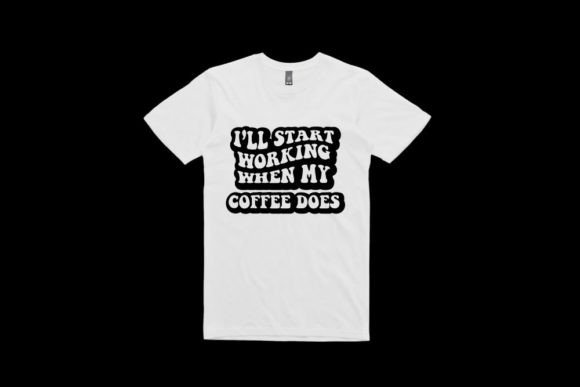
I'll Start Working When My Coffee Does: A Designer's Review
When you download an embroidery file for real project work, the first thing you do isn't hooping fabric—it’s assessing the design with a practical eye. You're looking beyond the cute phrase or clever graphics. You’re asking: will this hold up under stitching? Will it resonate with a customer when they see it on a finished product? Does it have the visual personality to stand out on a shelf or in an online mockup? I’ll Start Working when My Coffee Does, from its retro coffee coaster motif to its cheeky sentiment, presents itself as a ready-to-use graphics asset, but how does it translate into a tangible, embroidered piece?
The First Impression: A Dose of Authentic Charm
The design immediately strikes a chord. It’s not overly polished or corporate. It feels like a genuine, slightly whimsical note you’d scribble on a napkin. The retro coaster shape anchors the text, giving it a defined, contained layout that’s excellent for embroidery. The detail level is thoughtful—there’s enough visual interest from the simulated ring and border to make it more than just text, but it’s not overly dense. This is crucial. In embroidery, excessive detail can lead to a muddy, thread-heavy finish. Here, the balance suggests clean satin stitches for the letters and a simple running or fill stitch for the coaster outline. The mood is unpretentious, relatable, and a bit playful—perfect for handmade products that speak to real-life moments.
Where This Design Naturally Belongs
Imagine you’re preparing a custom tote bag for a coffee shop’s small business merchandise. You want something that feels like a branded gift but also personal. I’ll Start Working when My Coffee Does fits this niche beautifully. It’s not just a logo; it’s a shared sentiment. This same principle applies to a cozy embroidered sweatshirt for a creative entrepreneur, a kitchen towel as a holiday gift, or a pillow cover for a boutique home goods line. The design has a giftable quality because it’s both functional and expressive. For craft business items like patches or aprons, it offers clear, readable text within a defined shape, making it easy to position and stitch. The theme is universal enough for broad appeal but specific enough to feel intentional.
A Real-Life Scenario: The Embroidered Tote for a Small Shop
Let’s walk through a practical application. You have a client who runs a local bookstore with a café corner. They want a small run of embroidered tote bags as a promotional item. You’re looking at this design file, thinking about stitching it onto a natural canvas bag. The coaster shape provides a natural boundary, making hoop placement straightforward. The text is large enough to be legible after stitching, which builds customer trust—the message is clear and professional. On a textured fabric like canvas, the design’s simplicity prevents it from getting lost in the weave. You’d likely use a medium-weight stabilizer and choose thread colors that pop against the fabric, maybe a rich brown for the coaster and a crisp white or cream for the lettering. The finished product would look intentional, a clever addition to their brand story, not just a generic graphic.
Performance in Key Embroidery Situations
For custom apparel like t-shirts and sweatshirts, the design’s moderate complexity is a plus. On a t-shirt, especially a lighter fabric, you’d need to manage stitch density to prevent puckering, but the open areas within the design help. For baby clothes or delicate items, you might scale it down slightly, being mindful of the small lettering details—testing on scrap fabric first is essential. On caps or curved surfaces, the circular coaster shape is actually advantageous; it can be centered easily and doesn’t have extreme corners that might distort. As an embroidered patch, it’s a standout—the complete graphic is self-contained, making it perfect for iron-on or sew-on applications.
For digital product sellers and creative entrepreneurs using printable mockups, the clean lines of the provided SVG and PNG files should allow for crisp previews in listings. This aids buyer engagement significantly. When a potential customer sees a realistic mockup of this design on a mug or pillow, the charm translates instantly. It elevates the perceived value from a simple digital file to a desirable finished product.
Where to Exercise a Bit of Caution
While versatile, I’ll Start Working when My Coffee Does requires careful consideration in a few scenarios. On very dark fabrics, the interior of the coaster and the lettering would need high-contrast, likely light-colored threads to maintain clarity. On thin or stretchy fabrics, stabilizer choice becomes paramount to support the stitches, particularly the fill in the coaster area. If you plan to go very small—for instance, on a baby item’s sleeve—the smaller details of the text could become tight and require precise machine embroidery settings. Always test in the intended hoop size first. Similarly, for products destined for frequent washing, like kitchen towels, ensure your stitch structure is robust and your thread quality is high to maintain that handmade presentation over time.
Impact on Visual Appeal and Commercial Value
This design affects a project on several levels. Its visual appeal is rooted in authenticity, which resonates in today’s marketplace. For an Etsy seller or craft fair vendor, an item embroidered with this phrase feels conversational and personal, increasing its giftability. From a brand consistency angle, if a small shop uses it across a line—say, on tote bags, aprons, and tea towels—it creates a recognizable, cohesive theme without being a rigid logo. The professionalism comes from the execution; a cleanly stitched version with good color contrast looks deliberate and skilled, enhancing buyer confidence.
For commercial embroidery projects, like a series of promotional caps for a roastery, the design is scalable and easily adaptable. It works as both a personal touch and a commercial asset. The key is in the finishing. How you pair it with fabric and thread colors determines its final impact.
Practical Notes for the Working Designer
Before committing this design to a final product, here are the steps I take. First, I run a test on a scrap of the target fabric. This checks for any issues with stitch density, especially in the text, and reveals how the coaster fill interacts with the fabric texture. I assess thread color contrast against both light and dark backgrounds—sometimes a design looks perfect in a white mockup but loses impact on navy. I confirm the effective hoop size; the design’s circular nature might favor a round hoop, but you need to ensure the size matches your product area.
I always inspect the small details in the file preview, particularly the spacing between letters, to anticipate any embroidery machine registration challenges. Crucially, I verify the licensing terms for the digital embroidery file. The product description states the design files can be used for T-shirt, Mug, Pillow, Bag, but it’s my responsibility as a maker to confirm whether that includes commercial use of the finished items or if any restrictions apply before selling in my small shop.
Using proper stabilizer for the specific fabric is non-negotiable to preserve clarity. And finally, I consider its application: is this for a one-off personalized gift, or for a line of craft business products? That decision influences my material choices and stitching approach. I’ll Start Working when My Coffee Does has the inherent charm to succeed in both realms, provided it’s executed with this level of practical attention. It’s a design that, when stitched well, doesn’t just decorate a product—it adds a story to it.